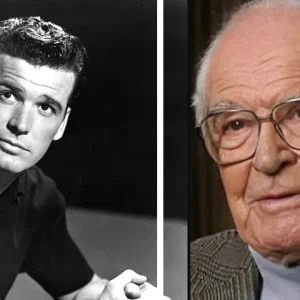
John Sturges arrived in Mexico in 1960 with a vision, a budget, and what looked on paper like the perfect cast. Yul Brynner — fresh off The King and I, shaved head and all — was the anchor, the star, the reason the studio said yes. And then there was Steve McQueen, younger, hungrier, and absolutely unwilling to disappear into anyone’s shadow. Two alpha wolves. One frame. Something had to give.
What happened behind those cameras became as legendary as the film itself. McQueen spent the entire shoot finding ways to steal focus — adjusting his hat, shaking a bullet, manufacturing movement in his periphery while Brynner delivered his lines. Brynner noticed every single time and said so, loudly and often. The two men barely spoke off set. Sturges, caught between his leading man’s fury and his young star’s raw magnetism, quietly let the camera decide. And the camera, as it always does, told the truth — McQueen crackled with something that couldn’t be directed or contained.
What they made together despite everything — or perhaps because of it — was pure cinema. The friction between Brynner and McQueen never resolved itself into friendship. But it burned itself permanently into one of the greatest ensemble Westerns ever put on screen. Every fan who has watched that final ride knows it without being able to explain it. That electricity wasn’t scripted. It was real — and it was barely contained long enough to finish the film.
Video Link: https://www.youtube.com/watch?v=MQ3FvO-XgqA&t=175s