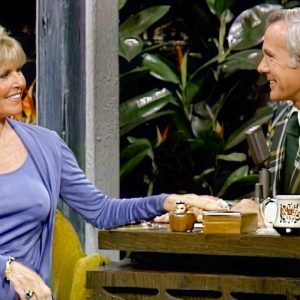
Three’s Company was pure, fizzing, perfectly calibrated fun. John Ritter’s physical comedy was something close to genius, Suzanne Somers brought a warmth underneath the blonde bombshell surface that audiences responded to instinctively, and Joyce DeWitt held the whole thing together with a quiet, grounded steadiness that never got enough credit. For five seasons it worked like clockwork. The chemistry was real, the ratings were enormous, and nobody on the outside had any reason to believe the wheels were coming off. Until they were.
What happened behind those cameras rewrote the final chapters of one of television’s most beloved shows. Suzanne Somers made a move that stunned the network — demanding a salary that matched her male co-star and doing it publicly, boldly, at a moment when Hollywood simply wasn’t ready for that conversation. What followed was swift and brutal. She was written down to a cameo, then written out entirely. The official story shifted depending on who was telling it. But the tension that scene — that real-life scene played out in boardrooms and press releases — created on set was something John Ritter and Joyce DeWitt carried visibly for the remainder of the run.
Some cancellations happen quietly. This one left marks. Three’s Company limped forward and eventually ended, but the version that existed after Suzanne Somers walked out the door was never quite the same animal. What fans remember — what they will always remember — is the original three, spinning through that Santa Monica apartment with something that looked effortless because they made it look that way. The truth, as always, was considerably more complicated. And considerably more human.
Video Link : https://www.youtube.com/watch?v=kC6urVyc6dQ