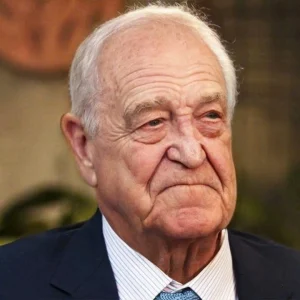
After their divorce in 1960, Desi Arnaz never spoke about Lucille Ball as someone he had simply “moved on” from. To him, the marriage didn’t end emotionally — it stayed with him as a lifelong reckoning. He didn’t blame fame, schedules, or pressure. He blamed himself. His drinking, his infidelity, and the habits he admitted he couldn’t control at the time.
What stands out is how Arnaz talked about Lucy afterward. Not with bitterness or nostalgia, but with respect and awe. He openly acknowledged that she was steadier, more disciplined, and more emotionally grounded than he was. Where he chased momentum, she built structure. Only after losing her did he fully understand that her boundaries weren’t restrictive — they were protective.
Friends noticed that whenever Lucy’s name came up, Arnaz changed. His voice softened. His focus sharpened. There was no defensiveness, no attempt to rewrite history. He spoke of her as the great love of his life, without asking for forgiveness or sympathy. Just honesty.
In later years, Arnaz admitted that success never replaced what he lost with Lucy. Fame continued, but the emotional anchor was gone. In his memoir, he called her “the love of my life,” a statement he never revised or softened.
He didn’t frame their divorce as necessary or inevitable. He called it tragic — a lesson learned too late. And even at the end of his life, his words about Lucy carried the same tone: gratitude, humility, and reverence.
Some loves don’t end. They just change shape — and stay.